



Published on
If you have ever clicked on something suspicious and immediately thought, “Oh no, what did I just do?” then you'll understand how quickly you can fall for a phishing attack. And if you haven't, then wait for it—because attackers have become very skilled at what they do.
For almost every organization, phishing is one of the easiest and yet the most effective scams in a hacker's toolkit. It need not employ sophisticated malware. It does not need to invade your network by breaking in forcefully. They only need you—or someone from your team—to open the door for them.
That's why at Anagram Security, we didn't just send out "Be careful" emails. We built a phishing prevention program that was interactive and fun.
And here’s the thing:
We not only saw fewer risky clicks, but we also saw individuals interacting with questionable messages.
This is the behind-the-scenes story of our phishing simulation benefits, how it evolved into a real, trackable phishing simulation, and how it can potentially do the same for you.
Introduction to Phishing Attacks
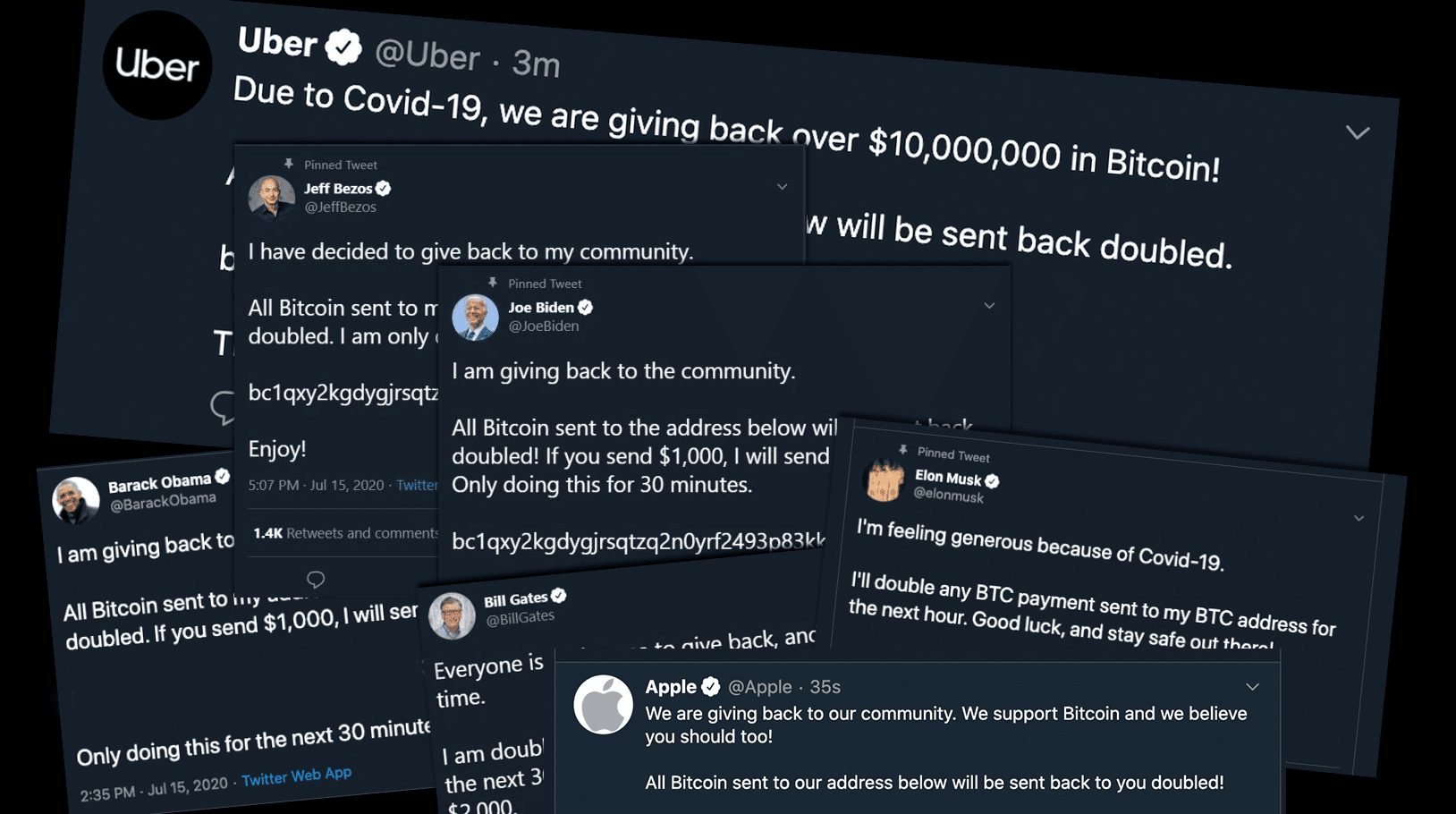
Phishing attacks are among the most common and most dangerous issues for organizations nowadays. While technical exploitations strive to penetrate via weaknesses in the software, phishing attacks exploit the human factor. These attacks deceive users into sharing sensitive details such as usernames, passwords, credit card numbers, or even financial information.
With one persuasive e-mail, an attacker can compromise your organization's most highly guarded information.
The consequences of a successful phishing attack can be severe: identity theft, financial loss, and lasting damage to your organization’s reputation. What makes phishing attempts especially challenging is how sophisticated they’ve become. Today’s phishing emails can look like they’re from a reputable company, a trusted colleague, or even your IT department.
This is why anti-phishing strategies are as essential as they have ever been. A well-conceived phishing simulation program does much more than test your defenses—it exposes your team's vulnerable spots and demonstrates how to handle phishing attempts before they do damage. By educating your employees on how to detect phishing signs, you can prevent phishing attacks. This reduces your odds of becoming a target for identity theft or financial scams. In your struggle with phishing, your people are your biggest weak link and defense.
Why We Even Bothered With a Phishing Test for Employees
Everybody already knows about phishing. We've all been advised: “Don’t click where you don’t trust.”Why then bother to test those who already "know" this?
Because knowledge isn’t the same as instinct.
You know you should look both ways before crossing the street. But if a car comes speeding by while you’re distracted by your phone, will you look in time? This is how phishing takes place. Hackers rely on people being preoccupied, harassed, or on autopilot.
Emails might look like:
A pay notification from HR.
A meeting invite from your boss.
A team document that's been shared.
They slip in when you least expect them—Monday mornings, end-of-month rushes, or right before holidays when your brain is already halfway out the door.
We conducted a phishing test for employees not to “catch” employees, but to understand how people respond in the moment. By seeing employees’ responses to simulated phishing attempts, we gain excellent insights into user behavior. This helps us figure out the training needs of employees.
The goal here is to prepare employees for actual phishing attempts in the workplace by presenting real-time situations to reduce future instances. And that is where actual risk lies.
The Problem With Traditional Phishing Training
Let’s be honest—most phishing training is like bad driver’s ed. You sit in a classroom, stare at outdated slides, and maybe watch a cheesy video of “Bob from Accounting” clicking a fake email. Because it’s boring and predictable, and it’s soon forgotten.
The actual problem? These trainings are designed to educate, not to train behavior. Statistics by themselves will not change behavior. If they would, I'd have forsaken cake after reading how much sugar is listed on the package label.
At Anagram Security, we wanted an active, not passive, program to avoid phishing. We intended to train employees interactively, hands-on, as contrasted with passive training. And that included:
Real-life situations, not model pictures.
Instant response, not month-end reports.
Practical lessons, not "fun facts" regarding hackers.
Its training programs must concentrate on skills-based training and real-world scenarios so that employees are adequately equipped to understand and counter threats from phishing.
Designing Our Phishing Simulation
When we built our phishing prevention program, we didn’t just pick random fake emails.
We analyzed real phishing attacks targeting our industry.
First, we researched:
Current phishing trends in our sector.
Real attack scenarios from security feeds.
Patterns in how employees had been attacked in past attempts.
Then, we crafted scenarios that were uncomfortably real. In our simulated phishing attack, we used genuine-looking landing pages that were created to mimic those from real attacks.
Some examples from us:
The Urgent CEO Request: “Need you to process this payment before 5 PM. Don’t tell anyone—confidential.”
The Fake HR Update: “Policy changes require your review. Log in with your credentials to proceed.”
The Vendor Invoice: “Past due notice—download attached statement.” Some of these emails were crafted as malicious messages, containing attachments or links that would typically deliver malicious content in a real attack.
Even included spelling-accurate, design-refined messages that would deceive even the most vigilant eyes. Since attackers are no longer sending the old, broken English messages, they’ve evolved.
Rolling It Out Without Ruining Trust
One of the challenges in executing a phishing simulation is trust. If they think you’re prepping them for failure, they will resist or become defensive. That's why we handled it carefully:
No pre-warnings regarding the actual day or time. Real attacks do not send calendar invitations.
Clear explanation afterwards that it was a learning tool and not a disciplinary trap.
Immediate, productive feedback—we didn’t merely say, “You clicked.” We described why it appeared believable and what to look for at another time.
For instance, if they had fallen for the “Urgent CEO Request,” the post-click landing page did not reprimand them.
It said:
“You’re not alone—this one tricks thousands of people each year. Here’s what made it dangerous:
Spoofed sender address, which looked nearly correct.
Sense of urgency to induce panic.
Requests to deviate from regular proceedings.
Then, we followed that with an interactive one-minute puzzle where they had to spot suspicious items in another email.
The First Results: A Wake-Up Call
The first wave of our experiment was enlightening. Click-throughs were higher than our expectations. Some kinds of emails were especially successful at deceiving people:
Anything related to money, which tends to target susceptible corporate and account information.
Any email from upper leadership with "urgent" as a subject line is frequently used by hackers to gain sensitive information.
Emails purporting to be shared cloud files are another popular method of acquiring account details.
This data was gold. It showed us where our points of weakness were, precisely not just in humans, but in processes. Simulator reports were analyzed to find out where the organization was vulnerable to specific types of phishing.
If people felt pressured to act on an emergency payment request without verifying it, that exposed both a human and a procedural weakness.
Tweaking the Phishing Simulation Training for Better Results
Armed with the results, we made some key changes:
Variety: This time, rather than using the same attack style over and over again, we cycled through several styles so workers couldn’t “figure out” one trick and then get surprised with another.
Incremental level of sophistication: We blended overt attempts at phishing with subtle attempts, and employees had to stay alert, not just scan for obvious red flags.
Context-based training: Lessons included examples of real-world impacts from similar assaults in other organizations.
Encouraging reporting: We recognized and rewarded employees who reported suspicious emails to the IT department.
Phishing simulation and training are ongoing processes. It requires regular updates, assessments, and adaptation to new threats to ensure employees remain vigilant against evolving phishing tactics.
The Second Wave: Real Change
When we re-ran the simulation several months later, the result was stark. Click rates were far lower, over half as low.
The bigger win? Staff started spotting and reporting real phishing attempts before our security team had even flagged them. Since email phishing is still one of the most common threats, the simulator proved invaluable in helping employees identify and respond to these attacks.
One worker sent an email to IT with the comment:
“Last month’s test fake invoice—but cleaner even. I’m 90 percent certain it’s a phishing.”
They did. And because they did catch it, the attack went nowhere. These enhancements substantially improved the organization's cybersecurity stance.
Why Was Our Phishing Simulation Successful?
In retrospect, here's why our program succeeded where other methods failed:
We trained instincts, not knowledge alone.
They were taught to pause and evaluate under pressure, not just recite “phishing red flags.”
It became part of the culture.
Unfamiliar emails were reported routinely, without panicking.
We made it concise and interesting.
No one feared training since it would only take minutes, not hours.
We turned failure into a learning experience.
No finger-pointing, only instant, pertinent feedback.
Anti-Phishing Measures
Preventing phishing attacks requires more than just good intentions. It takes a layered approach that combines technology, training, and a strong security culture. Start with technical defenses such as anti-phishing software to filter out the most obvious threats, but don’t stop there. The real game-changer is regular phishing simulations and targeted training that teach employees how to spot and respond to suspicious emails and phone calls.
A strong phishing simulation training program provides workers with hands-on practice in handling actual-looking phishing attempts so they will have the confidence to speak up about suspected threats rather than becoming victims. Ask your team to report suspicious emails, even if they are in doubt—each submission bolsters your organization's security posture.
But training and technology will only get you so far. Building a security culture is placing cybersecurity at the top as everyone's responsibility. To increase employee awareness, reward those who come forward with concerns, and send a signal that vigilance pays off. Regular phishing exercises keep everyone's instincts sharp, and ongoing specific training prevents newly emerging threats from falling between the cracks. By employing these anti-phishing tactics in combination, you can stop phishing, reduce your organization's risk, and create an attack-ready team.
Best Practices to Avoid Phishing
When it comes to combating phishing, these best practices can be useful:
Develop Real Scenarios
First, develop interesting phishing scenarios that mimic real attempts—imagine leadership-impersonating emails seeking assistance, fraudulent invoices, or mission-essential requests made in haste. The closer your simulated phishing emails mimic actual attempts, the smarter your team will be able to combat actual threats.
Regular Testing
Regular phishing testing is worthwhile. Conducting phishing testing regularly will reveal the weaknesses. It also helps you track improvement in response over time. Please ensure your training program has coverage for extensive reporting and clear channels for reporting suspicious calls and e-mail messages. This quantifies phishing attempts and increases awareness of cybersecurity as part of your culture.
Employee Awareness
Don’t forget who your first line of defense is: your employees. Make employee awareness and cybersecurity preparedness your top priority by offering ongoing training and resources. Ask everyone to remain vigilant for suspicious emails, harmful links, and social engineering assaults. Extensive reporting from your phishing tests will enable you to identify trends, fill in your weak points, and develop a better-prepared workforce.
By adopting these best practices, your organization’s security posture will strengthen, making it difficult for attackers to succeed.
The Ripple Effect Beyond Email
The skills workers acquire do not remain in their inbox. Individuals started applying similar vigilance to:
Suspicious text messages ("smishing") are potentially an attack vector for phishing attacks.
Social media DMs containing suspicious links are another popular platform used for a phishing attack.
Fake customer service chats asking for credentials are often used in phishing attempts.
This wasn’t just a one-time phishing prevention program. It was a cultural shift.
Lessons We'd Impart to Any Organization
If you’re considering a phishing test for employees, here are our takeaways:
Don't turn it into a "gotcha" game.
The aim is to educate people, not humiliate them.
Make it plausible.
If your fake emails are laughably bad, you’re training people for attacks that don’t exist anymore.
Mix difficulty levels.
Too basic? People switch off. Too complex? They get frustrated.
Provide immediate feedback.
If you hold back until the security meeting next month to announce who clicked, your lesson is lost.
Repeat, repeat, repeat.
Threats evolve. So does your training.
Regular phishing tests and ongoing training are essential for strengthening your organization's security posture, making security awareness a core part of your defense strategy.
Beyond Phishing: The Bigger Cybersecurity Awareness Picture
This phishing exercise was just the beginning.
All our security training at Anagram Security is created using these same guiding principles:
Short, interactive, real-world lessons.
No padding, no chaff, no long-winded lectures.
An emphasis on developing instincts that will linger.
Yes, for everyone, from software developers to HR people.
Conclusion: From Clicks to Confidence
Phishing will not disappear. They will continue to try to phish individuals—it’s cheap, it works, and it pays if you’re not ready. However, the phishing simulation benefits were real and measurable for us.
It wasn’t about shaming people. It was about empowering them. And phishing prevention is just the start.
At Anagram Security, we offer:
Security Awareness Training – Interactive, bite-sized modules that help everyone spot and stop threats before they cause damage.
Developer Training – Real-world code challenges that prepare engineers to find and fix vulnerabilities in real-world applications.
Because even as you’re clicking through to a link or typing out a line of code, security begins with the proper instincts, developed one realistic challenge at a time. Book a demo now and train your employees to fight phishing attacks!



© 2026 Enigma Analytics, Inc.
All rights reserved.